
Why Training Isn’t Improving Workforce Performance (And What To Do Instead)
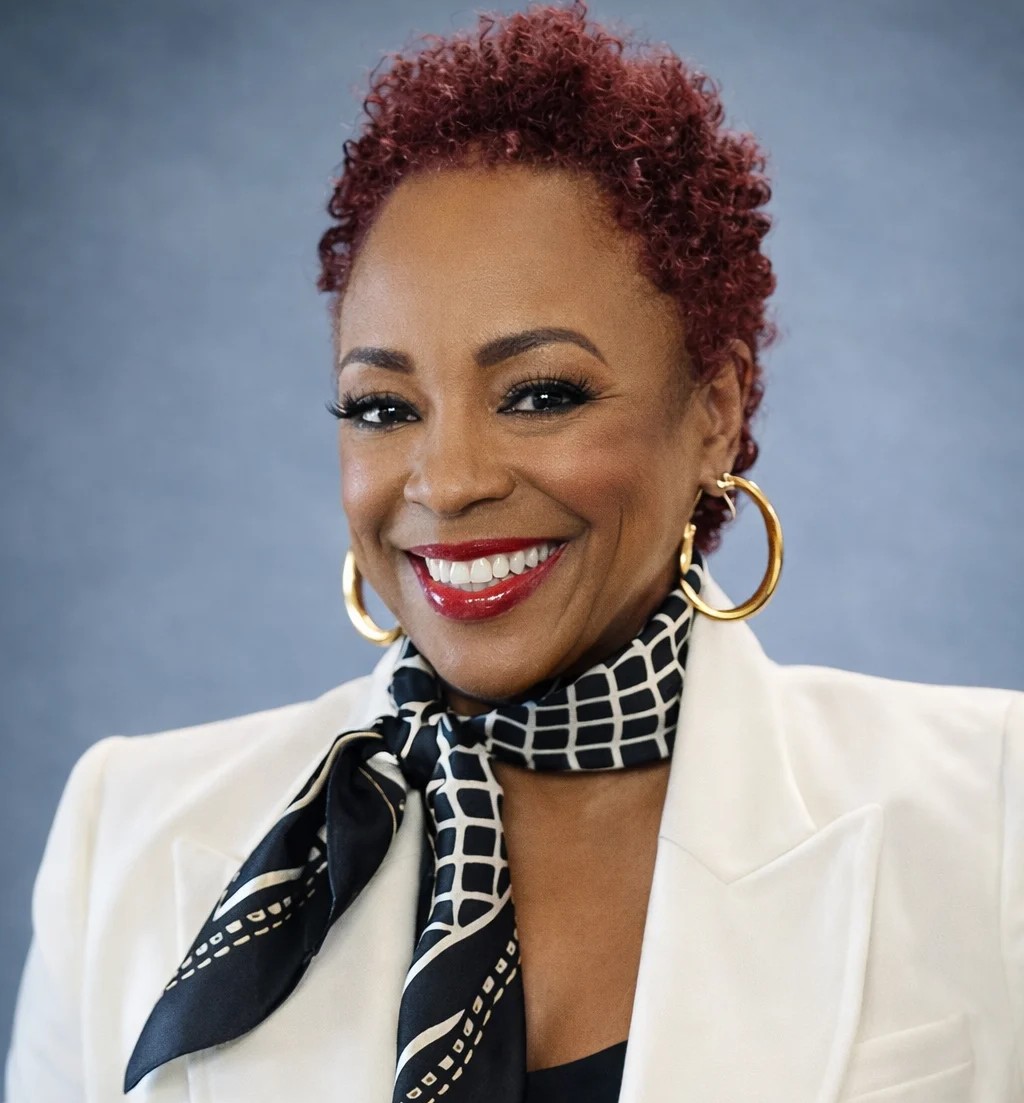
By Vaneese Johnson, The Boldness Coach | On the Move Careers, Inc.
Edition-5
Organizations are spending more on training than ever before. And yet, in conversation after conversation with HR Directors and organizational leaders, the frustration is the same: we are investing in our people, but we are not seeing the results.
The training is happening. The performance is not moving.
If this sounds familiar, the problem is probably not your trainers. It is not your employees. It is a strategy problem — and it starts with confusing training with workforce development.
Training Is Not Workforce Development
Training is a targeted, time-bound intervention designed to close a specific skill gap. It answers the question: what does this person need to be able to do right now?
Workforce development is something bigger. It is a long-term, strategic investment in building the overall capability of your people — aligned to where your organization is going, not just where it has been.
Most organizations are funding training when they actually need workforce development. The result is a library of completed courses, a stack of certifications, and a workforce that is no more strategically ready than it was before the investment.
Training teaches people what to do. Workforce development shapes who they become and what they can lead.
Why the Budget Is Not Moving the Needle
There is no connection to strategy. When training programs are not aligned to the organization’s strategic direction, they develop skills that may not be the skills the organization actually needs to execute its goals.
Development stops at the classroom. Real behavior change happens through practice, coaching, and application over time — not through a single workshop or online module. Without follow-through, training knowledge fades within weeks.
Leadership is not reinforcing it. The most well-designed workforce development program will fail if managers are not modeling, coaching, and holding space for the new behaviors it is trying to build.
A workforce development investment without leadership reinforcement is just an expense. With it, it becomes transformation.
Getting a Return on Your Investment
The fix starts with strategy alignment. Before you approve the next training budget, ask: what specific outcomes does this investment need to produce, and how does it connect to where the organization is going in the next two to three years?
Then build the reinforcement structure. Who is responsible for applying these skills on the job? How will managers coach to it? What does success look like, and how will you measure it?
Training is a tool. Workforce development is a strategy. When you treat them as the same thing, you get the same result: spending without return.
Your people are ready to grow. Make sure your investment is designed to take them somewhere worth going.
Know Where Your Organization Stands.
Take the Free Workforce Strategy Assessment → otmcareers.com
About the Author
Vaneese Johnson is The Boldness Coach™ and founder of On the Move Careers, Inc. — We provide bold Workforce Strategies that build future-ready leadership cultures and move organizations forward. Learn more at otmcareers.com.