
Succession Planning Beyond the C-Suite: Why Every Organization Needs a Leadership Bench
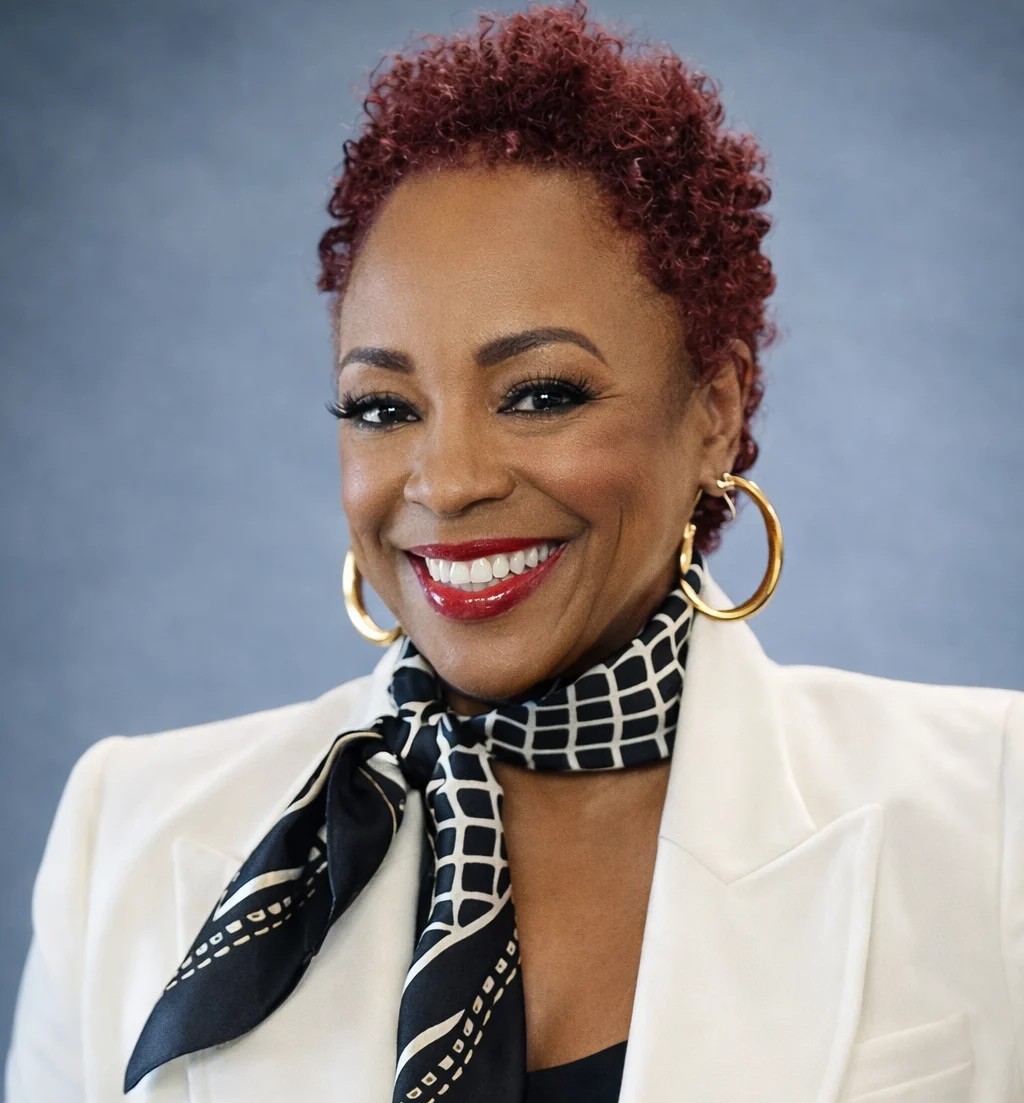
By Vaneese Johnson, The Boldness Coach | On the Move Careers, Inc.
Edition-6
When most organizations hear “succession planning,” they immediately think of the CEO. The executive team. The top of the org chart.
And yes — those roles matter. But if your succession strategy stops there, you are missing the place where most organizations actually break.
The real succession gap in most organizations is not at the top. It is in the middle.
Where Organizations Actually Break
Mid-level leaders — department heads, division managers, program directors, senior supervisors — are the operational backbone of most organizations. They translate executive strategy into frontline execution. They manage the majority of the workforce. They carry the institutional knowledge that keeps day-to-day operations running.
And in most organizations, they have no named successors.
When a mid-level leader leaves without a succession plan, the impact is immediate and tangible. Teams lose direction. Projects stall. Institutional knowledge evaporates. And the organization scrambles to fill a gap it never saw coming — because it never planned for it.
The leadership gap that hurts most organizations is not at the top. It is three levels below the C-suite, where there is no bench and no plan.
Why Mid-Level Succession Gets Overlooked
Mid-level succession planning gets skipped for a few predictable reasons. It feels less urgent than C-suite planning. There are more roles to plan for. And frankly, most organizations have not built the infrastructure to identify, assess, and develop talent at that level systematically.
What I see consistently is organizations with strong C-suite awareness but almost no visibility into who their next-generation department heads are — and whether those people are being developed or simply hoping for their turn.
High-potential talent does not wait indefinitely. If your organization does not have a visible development pathway, they will find one elsewhere.
Building Succession Depth Across the Organization
Map your critical roles — at every level. Not just the C-suite. Every role where a departure would significantly disrupt operations, client relationships, or team performance.
Identify talent proactively. For each critical role, who is ready now? Who could be ready in 12 to 18 months with development? Build those assessments into your regular talent review process.
Create visible pathways. High-potential employees need to see that your organization is invested in their future. Development plans, stretch assignments, and mentoring relationships are not perks — they are retention strategy.
Succession planning at every level is not just a risk management strategy. It is a signal to your entire workforce that this organization develops its people — and that there is a future here worth staying for.
The C-suite matters. So does everyone below it.
Know Where Your Organization Stands.
Take the Free Workforce Strategy Assessment → otmcareers.com
About the Author
Vaneese Johnson is The Boldness Coach™ and founder of On the Move Careers, Inc. — We provide bold Workforce Strategies that build future-ready leadership cultures and move organizations forward. Learn more at otmcareers.com.