
Leadership Succession Planning: Preparing for the Retirement Wave Before It’s Too Late
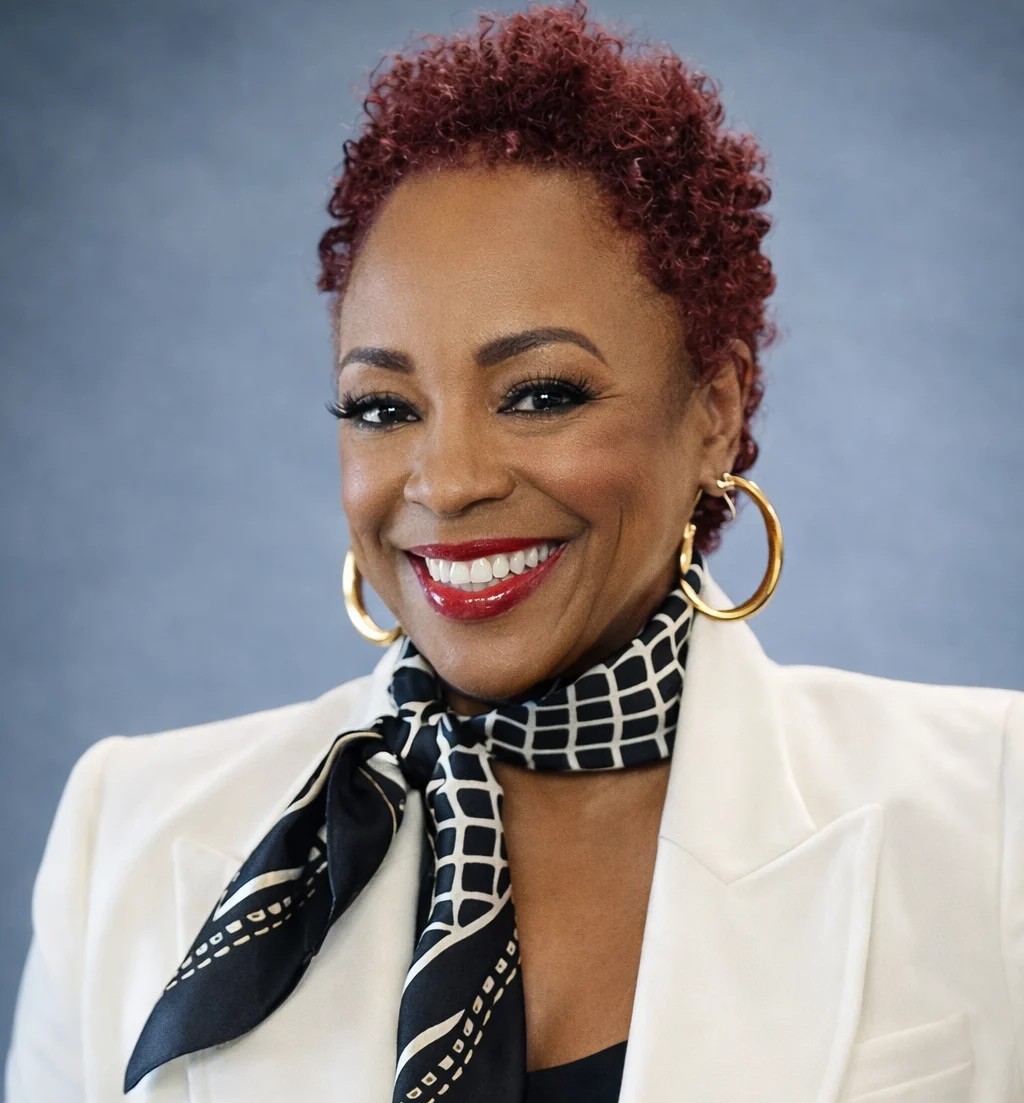
By Vaneese Johnson, The Boldness Coach | On the Move Careers, Inc.
Edition-8
The retirement wave is not coming. It is already here.
Across government agencies, corporations, and mid-size organizations, a significant percentage of senior leadership is within five to ten years of retirement — and in many cases, there is no one formally identified to step into those roles when they go.
This is not a future problem. It is a present one. And every day without a succession plan is another day of compounding organizational risk.
What Is Actually at Stake
Institutional knowledge. Senior leaders carry decades of context — relationships, history, unwritten processes, and hard-won organizational wisdom. When they leave without a transition plan, that knowledge leaves with them.
Operational continuity. Leadership vacancies at the senior level do not just affect one department. They create ripple effects across the entire organization — in decision-making, in morale, and in the ability to execute strategy.
Talent pipeline credibility. When organizations consistently fill senior roles from outside, it sends a clear message to internal talent: there is no future for you here. High performers leave. The pipeline empties.
Every senior leader who leaves without a successor represents a risk your organization chose not to manage.
Why Organizations Wait Too Long
The most common reason organizations delay succession planning is the same reason they delay most strategic investments: urgency. When the leader is still in the seat, the vacancy does not feel real.
But succession planning cannot begin the day someone announces their retirement. The development of a successor — from identification to readiness — takes eighteen months at minimum. Often longer. By the time the announcement comes, it is already late.
I have worked with organizations that started the conversation only after a surprise departure. The scramble that followed — the rushed external hire, the knowledge loss, the team instability — was entirely preventable.
The best time to build a succession plan was two years ago. The second best time is today.
Where to Start
Succession planning does not require a complex system. It requires honest answers to a few critical questions:
Which senior roles are at highest risk in the next three to five years?
For each of those roles, is there an identified internal successor?
Is that person actively being developed — or just informally considered?
What institutional knowledge needs to be documented and transferred before the transition happens?
These questions are not comfortable. But they are the foundation of an organization that leads through transition instead of being derailed by it.
Your senior leaders have given your organization everything they have. The best way to honor that investment is to make sure their departure strengthens the organization instead of destabilizing it.
Build the plan. Start now.
Know Where Your Organization Stands.
Take the Free Workforce Strategy Assessment → otmcareers.com
About the Author
Vaneese Johnson is The Boldness Coach™ and founder of On the Move Careers, Inc. — We provide bold Workforce Strategies that build future-ready leadership cultures and move organizations forward. Learn more at otmcareers.com.