Workforce Development
OTM CAREERS | THE WORKFORCE EDGE | WORKFORCE STRATEGY
What Is Workforce Development — And Does Your Organization Actually Have It?
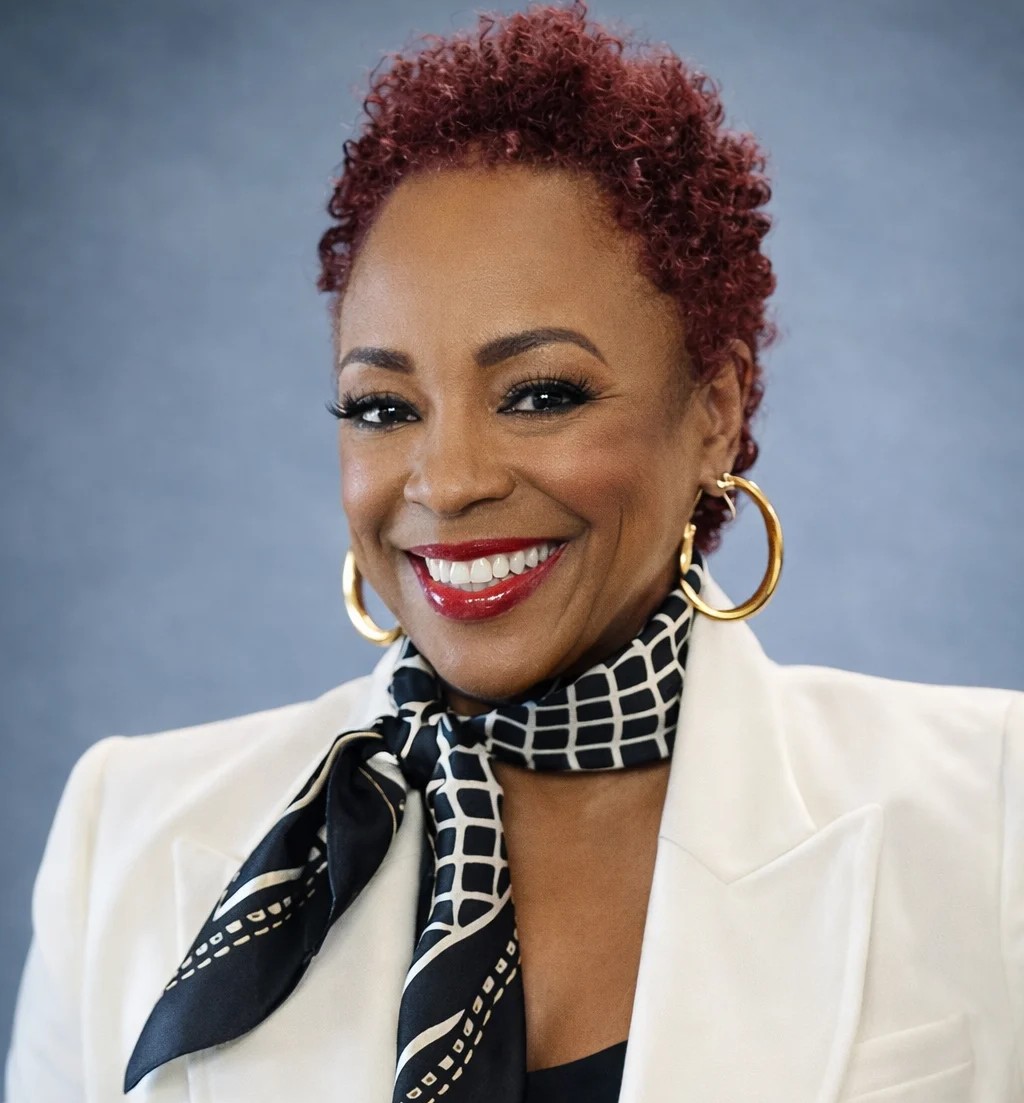
By Vaneese Johnson, The Boldness Coach | On the Move Careers, Inc.
When you hear the term workforce development, what comes to mind?
If you are an HR Director, you might think training programs. If you are a CEO, you might think leadership pipelines. If you run a mid-size business, you might honestly not be sure it applies to you at all.
Here is the truth: workforce development applies to every organization that employs people. The terminology may differ. The department may not exist. But the need is universal — and the organizations that get this right are building something the others are not: a workforce that is ready for whatever comes next.
What Workforce Development Actually Means
Workforce development is the ongoing commitment to building the skills, leadership capacity, and organizational culture needed to meet your mission today and sustain it into the future. It is not a program, a department, or a budget line. It is a strategic practice.
At its core, it answers four questions most organizations avoid:
Do we have the right people with the right skills in the right roles right now?
Are we developing the leaders we will need in the next one, three, and five years?
When key people leave, does someone step in — or do we scramble?
Is our culture one where people grow, stay, and perform at their best?
If you cannot answer those with confidence, you have a workforce development gap — whether you have a department for it or not.
"Workforce development is not what you do when something breaks. It is what you build so things do not break in the first place." — Vaneese Johnson
Where Does It Live — And Who Owns It?
The answer depends entirely on the size and structure of your organization.
Large Organizations & Government Agencies
You likely have a dedicated function — Learning & Development, Talent Management, Organizational Development, or Human Capital Management — reporting to your CHRO or VP of People.
If this is you:
The infrastructure exists. The real question is whether it is being used strategically — or primarily for compliance and onboarding. Having the department is not the same as having the strategy.
Mid-Size Businesses (50–500 Employees)
Workforce development typically falls to your HR Director, an Operations leader, or the CEO. The gap is not awareness — it is bandwidth. Strategic workforce planning loses to urgent operational demands every single time.
If this is you:You know you need to invest in your people more intentionally. What you need is a clear framework — not another full-time hire.
Small Businesses (Under 50 Employees)Workforce development is often informal or nonexistent. The focus is execution. Leadership development rarely enters the conversation until a key person leaves and the business realizes how dependent it was on one individual.
If this is you:You do not need a department. You need intentionality — knowing who has leadership potential, how you are investing in them, and what happens if your top performer walks out tomorrow.
Why It Matters — Regardless of What You Call ItSome organizations call it people strategy. Others call it talent management. The label matters far less than the practice. What the data and three decades of real-world experience consistently show is this:
Organizations that prioritize workforce development retain top talent at significantly higher rates — people stay where they grow
They fill leadership vacancies faster with internal successors — avoiding costly, high-risk external searches
They build organizational resilience — the ability to absorb disruption without losing momentum
And organizations that do not? They feel it in high turnover, chronic leadership vacancies, and a workforce that is competent today but dangerously underprepared for tomorrow.
"Every organization has a workforce strategy — whether they designed it intentionally or inherited it by default. The question is which one yours is." — Vaneese Johnson
The organizations willing to ask the hard questions about their workforce are exactly the ones that build the capacity to sustain themselves through whatever comes next. The first step is knowing where your gaps are.NOT SURE WHERE YOUR ORGANIZATION STANDS?
Take the Free Succession Gap Assessment
In less than 10 minutes, find out exactly where your workforce and leadership gaps are — and get a personalized roadmap to close them.
>> Take the Free Assessment at otmcareers.com <<
About Vaneese Johnson & On the Move Careers, Inc.
Vaneese Johnson is The Boldness Coach and President of On the Move Careers, Inc. — a workforce and leadership strategy firm with three decades of proven success partnering with government agencies, corporations, and mid-size businesses to close leadership and succession gaps and build future-ready organizations.
Learn more at otmcareers.com.