What Is a Talent Pipeline
OTM CAREERS | THE WORKFORCE EDGE | TALENT PIPELINE DEVELOPMENT SERIES
What Is a Talent Pipeline — And Why Most Organizations Do Not Have One
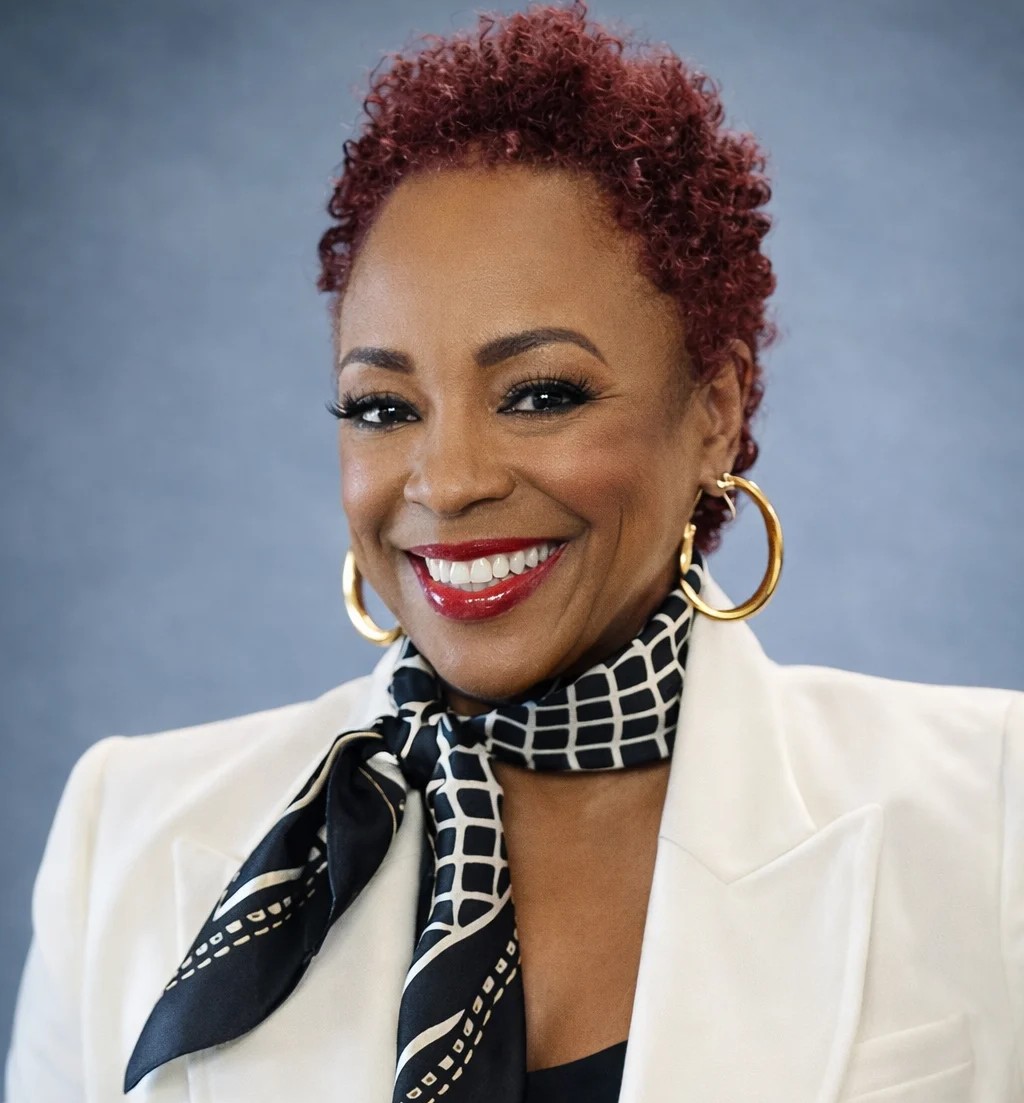
By Vaneese Johnson, The Boldness Coach | On the Move Careers, Inc.
A leadership seat opens. Everyone looks around the room — and the room looks back with uncertainty.
Not because the organization lacks talented people. But because no one was ever developed with that role in mind. No one was being groomed, coached, or prepared. The talent existed. The pipeline did not.
This is the moment most organizations realize they have been confusing having people with having a pipeline. And by the time that distinction becomes clear, the vacancy is already costing them.
A Talent Pipeline Is Not What Most Organizations Think It Is
A talent pipeline is not a succession chart. It is not a spreadsheet of high-potential names. It is not a list of employees who received a positive performance review.
A talent pipeline is an active, ongoing process of identifying, developing, and preparing people at multiple levels of the organization — so that when leadership needs arise, internal candidates are genuinely ready to step into them.
The distinction between a talent pipeline and a succession plan is important — and most organizations confuse the two.
Succession planning asks: “Who steps in when this specific role becomes vacant?”
Talent pipeline development asks: “Who are we developing right now so we have options across the organization when leadership needs arise?”
One is reactive by nature. The other is proactive by design. You need both — but a succession plan without a pipeline behind it is just a list of names with no development to back them up.
"A succession plan without a talent pipeline is a wish. The pipeline is what turns the plan into a promise." — Vaneese Johnson
The Data Makes the Gap Impossible to Ignore
Only 35% of organizations
say they have a strong leadership pipeline ready to fill critical roles. That means 65% are operating without one. (Deloitte Global Human Capital Trends)
2.2x more likely
to financially outperform their peers — that is the advantage organizations with strong leadership pipelines hold over those without one. (Bersin by Deloitte)
Internal hires outperform
external hires in leadership roles at a significantly higher rate — and cost 20% less to onboard. Yet most organizations default to external searches when leadership gaps appear. (Harvard Business Review)
The case for building a talent pipeline is not philosophical. It is financial, operational, and strategic. The organizations investing in pipeline development now are creating advantages their competitors will not be able to replicate quickly.
Why Most Organizations Do Not Have One
After three decades working inside organizations of every size and sector, the reasons are always some version of the same three patterns:
Reactive hiring culture. Most organizations are wired to fill vacancies, not build pipelines. Hiring is triggered by need — a seat opens and the search begins. The idea of developing people for roles that do not yet exist feels speculative, even wasteful. But that thinking is exactly what creates the scramble.
Leadership development is seen as a cost, not an investment. Leadership development is consistently underinvested because the return is not immediately visible. Training a high-potential for a role they will not occupy for two years feels like a cost. Losing that person to a competitor who invested in them first — that is the real cost.
No one owns it. This is the most damaging pattern. HR assumes the business owns pipeline development. The business assumes HR owns it. Neither builds it. Ownership without accountability is how talent pipelines disappear before they ever exist.
What a Talent Pipeline Looks Like When It Is Working
Healthy talent pipelines do not happen by accident. They are built deliberately and maintained consistently. Here is what they look like in practice:
Leaders at every level are actively identifying high-potential team members — not waiting for HR to tell them who has talent
Development is intentional and tracked — individuals have specific growth plans, stretch assignments, and coaching investment tied to future roles
High-potentials know they are in the pipeline — transparency about development pathways keeps them engaged and reduces the risk of losing them to competitors who make the investment visible
Knowledge transfer is built into transitions — institutional knowledge does not leave when people leave, because documentation and shadowing are standard practice
The pipeline is reviewed regularly — at least twice a year, leadership teams assess readiness levels and adjust development investments accordingly
Where to Start — Tips for Every Audience
For HR Directors & Chief People Officers:
Conduct a pipeline audit this quarter. For every critical role in your organization, ask: Is there someone in active development for this position? Not identified — actively developing. If the answer is no for more than half your critical roles, your pipeline has significant gaps that need immediate attention.
For Executives & C-Suite Leaders:
Make pipeline development a leadership expectation, not an HR initiative. Every direct report should be able to name who they are developing as their successor and what that development looks like in practice. If they cannot answer that question, developing that answer becomes their next leadership priority.
For Mid-Size Business Owners & Decision-Makers:
Start with your top five most critical roles — the positions where a vacancy would most impact your ability to operate. For each one, identify one person internally who has the potential to grow into that role over the next 12 to 24 months. That is your pipeline. Now invest in it.
Knowing you need a talent pipeline is step one. Building it — intentionally, systematically, and before you desperately need it — is step two. That is exactly where we are going in the next article.
But before you get there, take five minutes to find out where your organization actually stands today.
DO YOU HAVE A TALENT PIPELINE — OR JUST AN ORG CHART?
Take the Free Succession Gap Assessment
In less than 10 minutes, find out exactly where your pipeline and succession gaps are — and get a personalized roadmap to start building the bench your organization needs.
>> Take the Free Assessment at otmcareers.com <<
About Vaneese Johnson & On the Move Careers, Inc.
Vaneese Johnson is The Boldness Coach, President and Workforce Strategist at On the Move Careers, Inc. — a workforce and leadership strategy firm with three decades of proven success partnering with government agencies, corporations, and mid-size businesses. OTM helps organizations close leadership and succession gaps, build talent pipelines, and develop the bold leaders that future-ready organizations are built on.
Learn more at otmcareers.com.
OTM CAREERS | THE WORKFORCE EDGE | TALENT PIPELINE DEVELOPMENT SERIES
PART 2 — COMPANION AUDIO SCRIPT
"The Bench Is Empty" — Talent Pipeline Audio
Companion audio to Article 3: What Is a Talent Pipeline — And Why Most Organizations Do Not Have One
Target length: 90 seconds – 2 minutes. This audio is designed to tease the article — not repeat it. The goal is to spark curiosity, create urgency, and drive the listener to read.
Tone: Conversational, bold, direct. Like Vaneese is leaning across the table and telling you something important before you make a mistake.
Deployment: Embed above the article on the blog page. Post as a standalone clip on LinkedIn. Use as an Instagram Reel with text overlay. Add to email sequence as a teaser before the article link.
I want you to picture something.
A leadership seat just opened in your organization. Maybe someone retired. Maybe they resigned. Maybe it was unexpected.
And now everyone is looking around — trying to figure out who steps in.
Here is the question that moment reveals: Does your organization have a talent pipeline — or just an org chart with names on it?
Because those are two very different things. And most organizations discover the difference at the worst possible time.
A talent pipeline is not a succession chart. It is not a list of high-performers. It is not something HR manages in a spreadsheet once a year.
A talent pipeline is an active, ongoing investment in developing people — at every level — so that when leadership needs arise, your organization has someone genuinely ready. Not scrambling to find someone. Not paying a recruiter $50,000 to find someone from outside. Ready.
Here is what the data tells us: only 35% of organizations say they have a strong leadership pipeline. That means 65% of organizations — right now — are operating without one.
And organizations with strong pipelines are more than twice as likely to outperform their peers financially.
Twice as likely.
So why do most organizations not have one?
It is not because they do not care about their people. It is because pipeline development falls into a gap between HR and leadership — where HR thinks the business owns it, the business thinks HR owns it, and nobody builds it.
That gap is not a people problem. It is a strategy problem. And it has a solution.
In this week's article on The Workforce Edge, I break down exactly what a talent pipeline is, why most organizations do not have one, and what it looks like inside an organization that does it well.
I also give you a specific starting point — based on where you sit in your organization — so you are not walking away with theory. You are walking away with your next move.
And if you want to know exactly where your organization's pipeline gaps are before you read — take the Free Succession Gap Assessment at otmcareers.com. Ten minutes. Real answers. No guessing.
The bench does not fill itself. Let's talk about how to build it.
DEPLOYMENT CHECKLIST
Blog: Embed audio player above the article headline — listeners hear the tease before reading
LinkedIn: Post as a standalone native audio clip or short video with captions — "The bench is empty" is your hook line
Instagram Reel: Record with a relevant background video (boardroom, leadership team, office). Overlay the opening 30 seconds as text. Link in bio to full article.
Email sequence: Send audio clip or transcript excerpt as a teaser email 1-2 days before the article goes live — subject line: "Is your bench empty?"
Podcast: Use as a cold open or standalone short-form episode — pairs well with the personal story audio from the Succession Planning series
Vaneese Johnson | President — Workforce Strategist | On the Move Careers, Inc.
otmcareers.com | The Boldness Coach