Succession Planning
OTM CAREERS | THE WORKFORCE EDGE | SUCCESSION PLANNING
Succession Planning Is Not Optional Anymore — Here Is What the Data Says
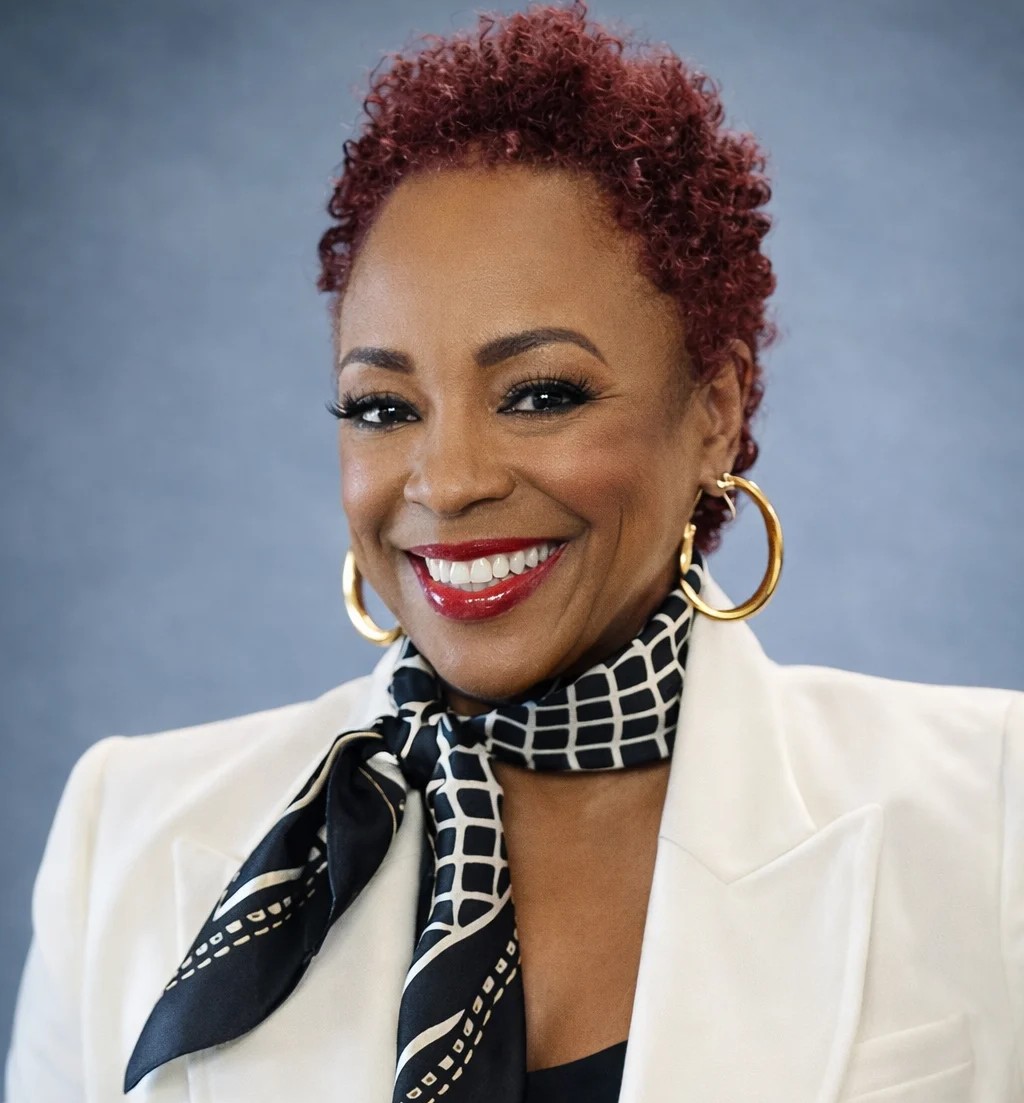
By Vaneese Johnson, The Boldness Coach | On the Move Careers, Inc.
Picture this: Your top executive announces their retirement — effective in 60 days. Your most experienced department head accepts a position elsewhere. A key leader is suddenly unable to work.
Now ask yourself: Does your organization have a plan for any of those moments?
If the honest answer is no — or not really — you are not alone. But the cost of being unprepared is rising, and the data makes that impossible to ignore.
The State of Succession Planning Today
The numbers tell a sobering story about where most organizations actually stand:
86%
of business leaders say succession planning is urgent — yet fewer than 15% have a formal plan in place. (Harvard Business Review)
70%
of organizations report that leadership gaps directly impact their ability to meet strategic goals. (Deloitte Global Human Capital Trends)
$1.8 trillion
is the estimated cost of poor leadership transitions annually across U.S. organizations — through lost productivity, recruiting costs, and cultural disruption. (Center for Creative Leadership)
The gap between knowing succession planning matters and actually doing it is wide — and it is costing organizations far more than they realize.
Why Most Organizations Keep Delaying
After three decades of working inside organizations across every sector, I have heard every reason for why succession planning gets pushed back. They all fall into one of three categories:
"We don't want to make promises we can't keep." — The fear of naming successors and creating entitlement or conflict among high-potentials.
"We're too busy right now." — The irony of being too operationally stretched to plan for the very disruptions that will stretch you further.
"We think we have more time than we do." — The most dangerous assumption of all. Retirements, resignations, health events, and competitive offers do not wait for a convenient moment.
None of these are reasons to delay. They are risks to manage — and a solid succession plan is exactly how you manage them.
"The best time to build a succession plan was five years ago. The second best time is today." — Vaneese Johnson
What the Future Is Telling Us Right Now
Succession planning is not just about filling today's vacancies. The workforce landscape is shifting in ways that make proactive planning more urgent than ever:
10,000 Baby Boomers are retiring every day in the United States — taking decades of institutional knowledge with them. (Pew Research Center)
By 2030, the global talent shortage is projected to reach 85 million workers — creating fierce competition for qualified leaders at every level. (Korn Ferry)
73% of CEOs are concerned about the availability of key skills in their workforce — yet leadership development investment continues to lag behind the need. (PwC Global CEO Survey)
The organizations that start building succession pipelines now will have a significant competitive advantage over those that wait until a vacancy forces their hand.
What Succession Planning Actually Looks Like in Practice
Succession planning is not a spreadsheet of names to fill open boxes on an org chart. Done well, it is a living, strategic process that includes:
Identifying critical roles — every position where a sudden vacancy would significantly disrupt operations, not just the C-suite
Assessing internal talent — who is ready now, who could be ready in 12–18 months with development, and who represents long-term potential
Building active development plans — not vague aspirations, but concrete investments in the people identified as future leaders
Protecting institutional knowledge — documenting what lives only in people's heads so it survives a transition
Reviewing the plan regularly — succession planning is not a one-time event; it updates as people, roles, and strategy evolve
Where to Start — Tips for Every Audience
Regardless of your role or the size of your organization, here is where succession planning starts for you:
For HR Directors & Chief People Officers:
Conduct a critical role audit this quarter. For every role on your list, identify: Is there a named successor? Is that person ready now or in development? If the answer to both is no — that is your highest-priority succession gap.
For Executives & C-Suite Leaders:
Stop treating succession planning as an HR responsibility. It is a leadership responsibility. Your most important contribution is modeling the behavior — actively developing your own successor and holding your direct reports accountable for doing the same.
For Mid-Size Business Owners & Decision-Makers:
Start with one question: What happens to this organization if I am unavailable for 90 days? The answer to that question will immediately reveal your most critical succession gaps — and where to focus first.
Succession planning is not about predicting the future. It is about preparing for it — so that when leadership transitions happen, your organization moves forward with confidence instead of scrambling in crisis mode.
The organizations that build this capacity now are the ones that will lead their industries in the decade ahead. The ones that wait will spend that same decade reacting.
IS YOUR ORGANIZATION SUCCESSION-READY?
Take the Free Succession Gap Assessment
In less than 10 minutes, discover exactly where your succession gaps are — and get a personalized roadmap to close them before a vacancy forces your hand.
>> Take the Free Assessment at otmcareers.com <<
About Vaneese Johnson & On the Move Careers, Inc.
Vaneese Johnson is The Boldness Coach, President and Workforce Strategist at On the Move Careers, Inc. — a workforce and leadership strategy firm with three decades of proven success partnering with government agencies, corporations, and mid-size businesses. OTM helps organizations close leadership and succession gaps, build bold leaders, and develop the talent pipelines that make future-readiness possible.
Learn more at otmcareers.com.